As we approach another election season, we in the social apostolate are challenged once more to enter into the difficult but necessary task of formation—not just of minds, but of consciences. Voting, after all, is not merely a civic duty; it is an expression of our faith in action, a concrete gesture of our commitment to justice, peace, and the dignity of every person.
Yet we must ask: how are we forming ourselves and others to vote? Are we educating toward genuine social transformation, or are we tolerating patterns of apathy, manipulation, and historical amnesia?
We have seen the failures of leadership—leaders who championed “change” but enabled impunity; those who promised “inclusive progress” but left the margins more neglected; those who weaponized fear, distorted facts, and silenced dissent. We must not forget. The social apostolate stands where the Church is most needed: with the poor, the excluded, the forgotten. When political choices disregard them, when candidates speak only to the interests of the few, we must raise prophetic questions.
As we accompany communities—farmers, workers, urban poor, Indigenous groups—we hear their repeated cry: that often, elections feel like a cycle of betrayal. The same faces. The same empty promises. And worse, the pressure to conform to what is trending, popular, or financially backed. It is here that our work becomes urgent. To form discerning voters is to walk with them in the light of truth, not fear; in hope, not illusion.
We also address those who are expected to be guides—educators, Church leaders, pastoral workers—who, out of fear or discomfort, choose to remain silent. When we avoid naming structures of injustice, or refuse to speak clearly about historical facts, we abandon the people we claim to serve. As Pope Francis reminds us, “A good Catholic meddles in politics,” because politics is one of the highest forms of charity when it seeks the common good.
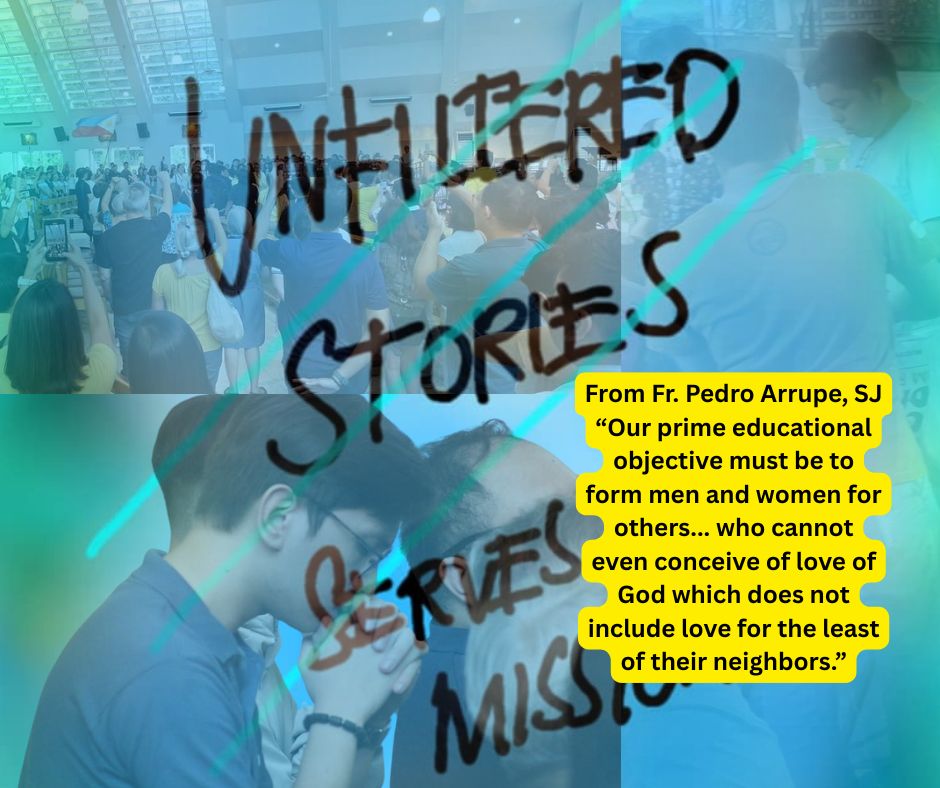
To those who filter the truth for fear of losing favor: neutrality in the face of injustice is not wisdom, but complicity. The social apostolate calls us to the frontlines of truth-telling and conscience formation. Unfiltered stories serve mission. It is through the raw, often painful realities of the people that the Spirit speaks—and we must listen and respond.
Let us remember the Gospel: “The Spirit of the Lord is upon me… to bring good news to the poor… to proclaim liberty to captives, and to set the oppressed free” (Luke 4:18). This is not merely Jesus’ mission—it is ours. Let us ensure that our votes, our voices, and our formation work reflect that mission.
In this kairos moment, may we vote not only with awareness, but with compassion, courage, and commitment to justice. Not for ourselves alone—but with, and for, the least among us.
“Faith that does justice cannot remain silent in the face of structures of sin.”
— Fr. Pedro Arrupe, SJ
🕊️ Let us not just vote. Let us form, speak, and walk with others in the way of truth and justice.
 Society of Jesus' social apostolate