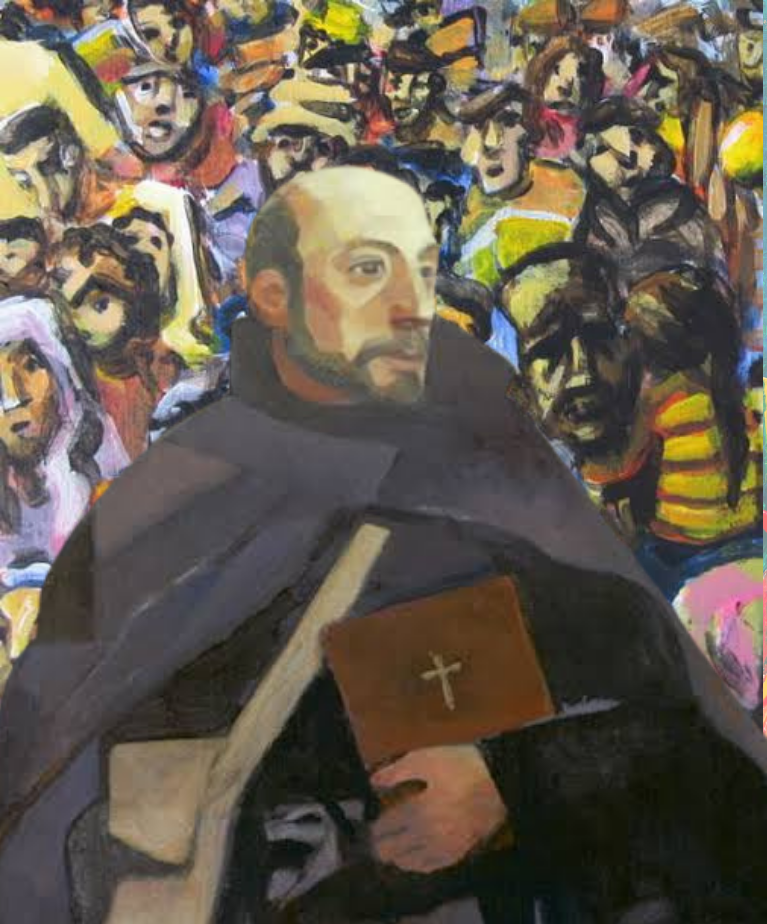
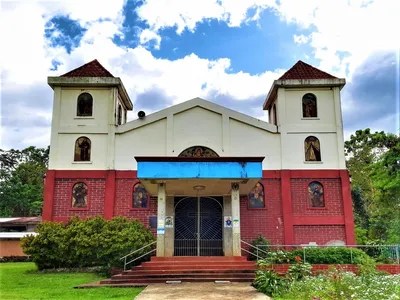
In the heart of Mindanao lies Bukidnon—a province that not only boasts fertile lands and cultural diversity but also serves as a sacred ground for one of the most remarkable missionary stories in the Philippines. This story is intimately tied to the Society of Jesus—the Jesuits—whose legacy remains etched in the hills, chapels, and hearts of the people of Bukidnon.
The Jesuit Bukidnon Mission District began to take shape when the Jesuits took over from the Recollects in 1877, inheriting the mission territories of Tagoloan, Jasaan, and Balingasag. Among the most significant developments was the foundation of Sumilao, one of the earliest Christian settlements in Bukidnon. In 1889, Jesuit Fathers Juan Terricabras, Eusebio Barrado, and Brother Luis Cardona began their work in Sumilao and later extended their mission to Linabo. Their zeal bore fruit rapidly—within three years, they had established several mission stations across Bukidnon.
By 1893, Sumilao was canonically erected as a parish under the patronage of Nuestra Señora del Pilar, and Sevilla (Mailag) followed shortly after under the patronage of Nuestra Señora del Carmen. These early centers of evangelization became the seeds from which the Diocese of Malaybalay would eventually grow, with Oroquieta (Malaybalay) becoming the seat of the Prelature in 1969.
The faith spread across the vast mountainous terrains with the establishment of numerous parishes, many of which began as humble chapels built from cogon and bamboo. Each parish carries a story—of missionary courage, local devotion, and a shared hope in Christ. From the stoic presence of Fr. James Cawley, SJ, often dubbed the “Apostle of Southern Bukidnon,” to the pioneering health and educational missions of Fr. Ferrucio Leoni, SJ, these Jesuits were not just builders of churches, but also of schools, hospitals, cooperatives, and peace efforts amid conflict.
In places like Kalabugao, Impasug-ong, Maramag, Kibawe, and Pangantucan, the Jesuits braved rugged terrains and cultural complexities to serve both settler and Lumad communities. They brought not only the sacraments but also programs on education, health, justice, and human rights—demonstrating a faith deeply incarnated in the lives of the people.
Even amid threats of violence and displacement, such as those during the Christian-Muslim conflicts in Damulog or the insurgency in Kalilangan and San Fernando, the Jesuits remained. In some cases, they even paid the ultimate price, as in the martyrdom of Fr. Godofredo Alingal, SJ, a prophet of justice whose life continues to inspire the clergy and lay alike.
Today, many of these parishes are administered by diocesan clergy, but the Jesuit footprint remains indelible—from the enduring parish structures to the spirit of service that continues in schools, health missions, and the lay apostolate.
The Diocese of Malaybalay—its heart beating with both history and hope—remembers with deep gratitude the missionary commitment of the Society of Jesus, whose pastoral and social apostolates helped shape the faith and identity of the Bukidnon people.
Let us continue to tell their stories. Let us continue the mission they began.
Source: Fr. Madz Tumbali, SJ. Jesuit Bukidnon Mission District – Bukidnon Parishes Founded by Jesuit Missionaries: Historical Overview. Published via the official website of the Diocese of Malaybalay.
https://jesuitbukidnonmission.org/bukidnon-parishes: Remembering the Jesuit Legacy in Bukidnon: The Story of Faith and Mission
